(1926–1957)
Kinfolks Cutlery stands as one of the most influential American knife‑making companies
of the 20th century. Formed officially on November 4, 1926, the company emerged during
a period of intense competition and frequent conflict within the extended Case family
a dynasty responsible for launching over 32 cutlery companies across 140+ years.
The Family Behind the Brand
Kinfolks wasn’t a random startup it was the direct creation of three experienced
Case‑family cousins:
• Russ Case, founder of W.R. Case & Sons, a fierce competitor known for
expanding the Case brand nationally.
• John Brown Francis “Tint” Champlin, the level‑headed executive from
Cattaraugus Cutlery who frequently mediated family disputes.
• Dean J. Case, master salesman and production manager whose leadership made
Kinfolks thrive throughout the Depression and WWII.
Their combined experience in sales, manufacturing, and business strategy made Kinfolks
a powerhouse.
Building the Factory in Little Valley, NY
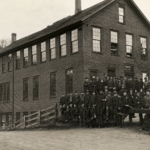
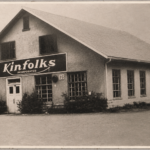
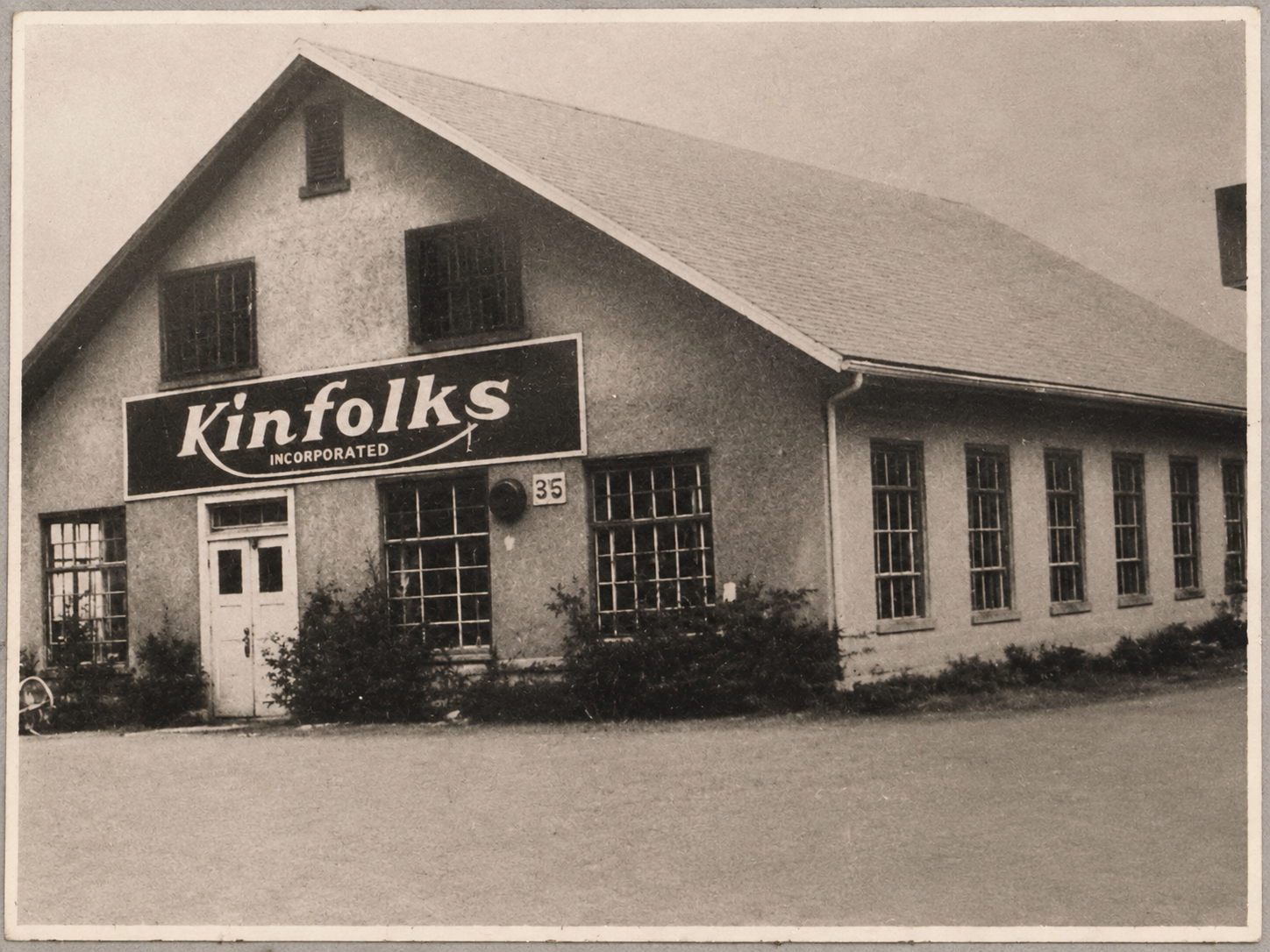
Tint and Russ split the cost of land and equipment to build the new Kinfolks factory at
the former site of the Standard Knife Company in Little Valley. Dean, respected by both
sides of the family, was chosen to lead the company.
The factory layout was state‑of‑the‑art for its time, with forging, grinding, hafting,
polishing, and assembly set in linear production flow a major efficiency advantage.
Kinfolks in the Great Depression
Despite financial hardship, Kinfolks survived where many Case‑related companies
collapsed. By the mid‑1930s, Dean had acquired full ownership of the company.
World War II Production
WWII transformed Kinfolks into a critical U.S. military supplier, producing:
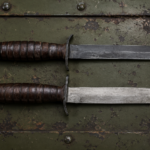
• Over 120,000 M‑3 and M‑4 bayonets
• Around 50,000 fighting knives
• Other fixed‑blade field knives used by U.S. troops
All confirmed directly from the PDF.
The End of the Kinfolks Era
After Dean’s death in 1951, his son J. Elliott Case took over. By 1957 rising labor costs,
foreign competition, and internal conflict led to closure. Robeson Cutlery purchased the
brand and continued limited production until 1965.